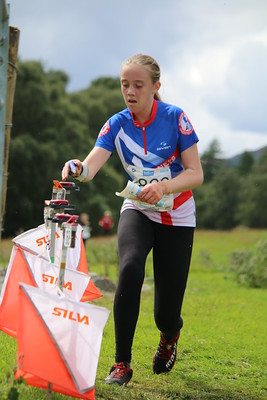
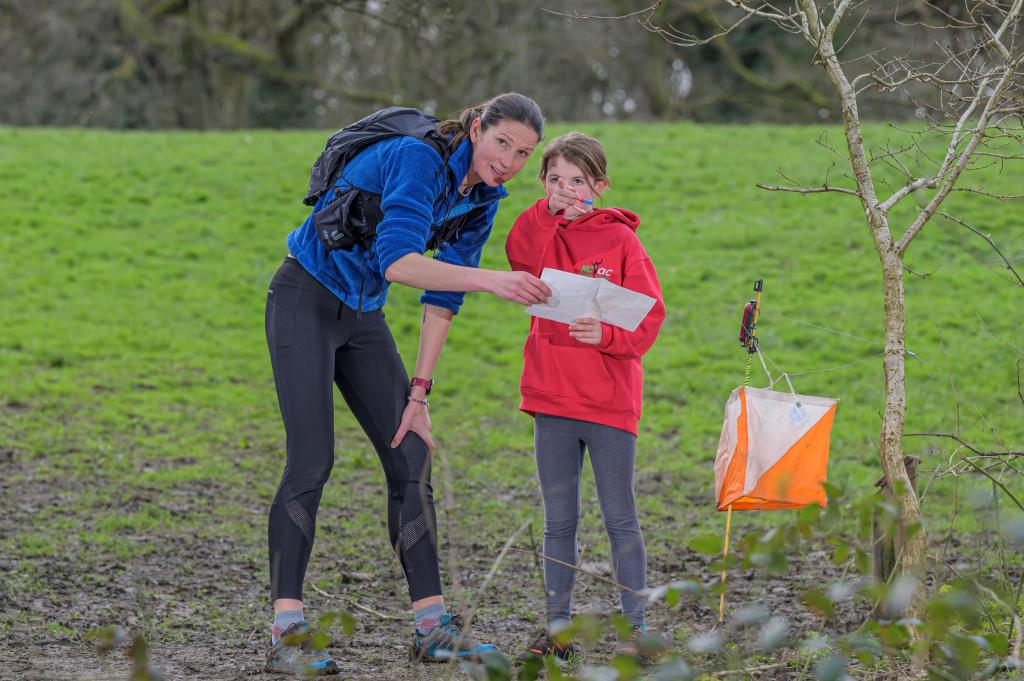
The aim of orienteering is to navigate between checkpoints or controls marked on a special orienteering map. There is no set route so the skill and fun come from trying to find the best way to go. In competitive orienteering, the challenge is to complete the course in the quickest time. The sport draws on both athleticism and navigational skills. See the British Orienteering website for up to date news and guidance.
Beginners are always welcome! There’s loads of info available to help you make a start, and always someone willing to help if you come along to an event.
Come and Try It! The club hosts events throughout the year for all ages and abilities in great locations throughout North and East Cumbria. You don’t need to be a member to come top an event but please see our Membership Page
Improve your fitness, enjoy the views, indulge your competitive streak!
The club’s regular Saturday morning informal local events have a minimum of three courses – a 2-3km easy course (called Novice or “Yellow“), a difficult but still short course (called “Short Green“) and a difficult long course (called “Green”)
Permanent Orienteering Courses (POCs) allow you to go orienteering whenever you want, and are also a good way to try the sport the first time . They are a perfect way for getting active, enjoying the scenery and green spaces with your family, or offer a chance to get outdoors for a competitive time trial. Find out more here.
A sport for the whole family! Orienteering is a sport for everyone whatever their age or fitness level and events always have a variety of courses so that everyone is catered.
Your first event. Running or walking gear recommended and if the event is in woodland you will need full leg-cover (not shorts). Also bring a waterproof and spare shoes and warm clothes for after. A compass is useful but not essential for easy courses. Bigger events may have catering and toilets, but that’s the exception to the rule so make your own arrangements. Arrive in good time and allow an hour or so to do your course. When you arrive, look for a sign for “Registration” (sometimes also called “Enquiries” or “Download” and let the person there know you are a beginner so that they can help you.
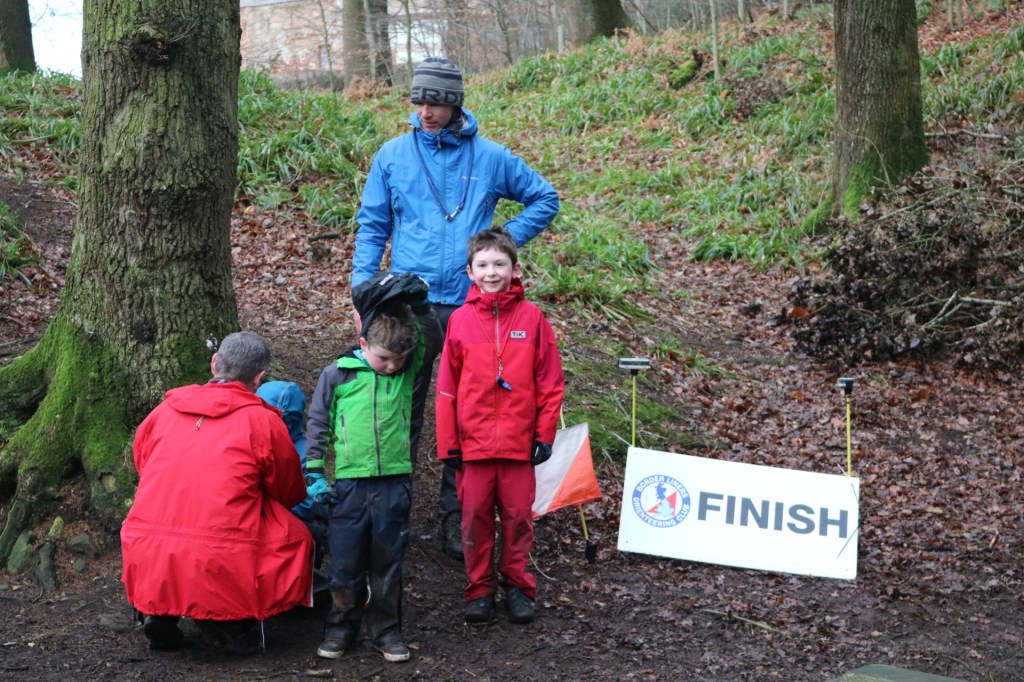
After finishing your course you must report back to registration even if you didn’t visit all the controls. We need to know you are back safely!
For information on joining, please see our Membership Page
For general enquiries please use our Contact Form
Useful Sources of Information for Newcomers
- Colour-Coded Courses (Yellow, Orange etc). What do the colours mean?
- Local Events and Regional Events. What’s the difference?
- British Orienteering’s Newcomers Guide and explanation of common orienteering terms – Orienteering Jargon
- MDOC (Manchester and District Orienteering Club) have a great series of videos on their YouTube Channel
- SLOW (South London Orienteers) also offer as set of videos entitled Think Fast, Run Hard, Go Orienteering’
- An explanation of map symbols is available from the Maprunner website.
- Maprunner also provides basic details about pictorial control description symbols. You can get a full explanation here
- For a fun way to practise pictorial control description symbols, youngsters may want to try the games here (produced by Octavian Droobers Orienteering Club). The “Platformer” game is particularity recommended!
- To see a variety of orienteering maps and courses look at BL’s Routegadget page. Just click on any of the names on the left side of the page. You will find a mixture of wooded areas, parks, open fell and urban areas. (For more information about using Routegadget look here)

Orienteering is a truly international sport! The IOF (International Orienteering Federation) website has orienteering news and videos from all over the world, with a variety of videos here The World Orienteering Championships were held in the Inverness area in 2015 (videos here) and in Edinburgh in 2024.


 Border Liners Orienteering Club